Showing posts with label promotions. Show all posts

Friday, 5 July 2013

Ten Facebook Statuses to Instantly Engage Your Readers

The opposite of "Like" is now "Ignore."
by Lydia Netzer


Comments on Facebook status updates let us know that we aren't standing all alone in the middle of a party, making animated hand gestures and facial expressions into thin air. Likes reassure us that we're not sighing out half-hearted commentary into a lonely glass of wine while no one listens. As authors, these responses also let us know that we're doing social media correctly, and that we won't be fired by our publishers for being the dullest clods on the internet. They can fire you for that, you know. So how do you get readers to engage with your page? 


It's difficult to know what to say sometimes. I know this one older dude on Facebook who only posts pictures from traffic cameras and also cats. He has a bunch of friends and they're highly engaged, commenting on and Liking everything. I want to think he's unlocked some kind of magical Facebook formula where cat posts combine with traffic camera footage to create a powerful ankh that gives its wearer internet popularity. I salute that guy. But we can't all be him. A lot of people I know, especially authors, seem to worry about appearing too positive, too negative, too repetitive, too pretentious. Posting a status update can feel like tugging on someone's elbow. What if they don't turn around?

The way to get people engaged with your Facebook Page is to give them an opportunity to do something they already want to do. 

No one logs onto Facebook with a burning desire to say "Oh, hmm!" to a dry description of your writing routine. No one yearns to say "Cool fixture!" when you post a picture of your desk lamp. No one really needs to Like your link to an article you wrote about yourself. But you can get comments and Likes flowing by figuring out what people on the internet want to do, and then giving them a place to do it. 

For example, here are ten Facebook updates that will get comments, possibly even a storm of comments, for your Page, right now today: 

1. Turkey bacon: Salvation or abomination?
What do people want to do? Pick sides. 
Picking sides in a clear-cut two-side argument is the easiest thing to do in the world. And fun -- just look at sports. In fact, asking which sports team your readers are rooting for in a game would also make a good post, but really any simple choice between two opposing options will work. You'll have some friends who find extruded meat disgusting and some that feel turkey bacon has allowed them to live again. But don't make them think too much. This is supposed to be fun. 


Kids, we're having conversation starter for dinner!
2. What should I do with this chicken and rutabega?
What do people want to do? Talk about food.
If you haven't figured out that the internet is mostly about food then you haven't spent much time on Pinterest or Instagram. People love to talk about their favorite recipes and help you with your food dilemmas. Post a strange combination of ingredients and ask for ideas. For bonus points, post a strange combination of ingredients you actually have and then post a picture of the results. Or just ask, "What can I make with kale?"

3. It's time for vacation! What city should I visit next?
What do people want to do? Be experts.
Everyone is an expert on the places they've been, especially places in Europe for some reason. If you ask for a "must do" list in Barcelona, I guarantee your comments will be piling up in drifts around your page. You'll have to get rid of them with a leaf blower just to see your cover photo. 

4. Ready to change up my coffee. How do you take it? 
What do people want to do? Define a personal preference. 
Collections of these questions used to float around email lists, circulating as ice breakers or just getting-to-know-you prompts. What's your favorite crayon color? Do you drink lemonade or soda? Do you eat the broccoli stems or not? This kind of question is good because it requires a short answer, and it feels like a revelation without the discomfort of an actual revelation.

5. Anybody get any good news today?
What do people want to do? Share feelings. 
You could ask the broader question: "How are you doing?" But that's actually harder to answer and less inviting than a more specific question. Any time you can bend your post so that the on-ramp to a comment is a  yes/no answer, you're giving your readers an easier time. Anybody sick today? Anybody on the rampage today? They can always just Like... the Facebook equivalent of nodding.

6. What’s the worst thing you ever did in a minivan?
What do people want to do? Share personal anecdotes. 
Again, be specific in scope but general in appeal. Asking about the worst thing someone's done in a minivan is pretty specific. But on the other hand, everyone's been in a minivan. Everyone can answer this. Sharing personal anecdotes is fun, it's interesting to read the other comments on the post, and if you keep the question light, it's easy to give a quick comment.

7. Gosh, at what age do you think I should wean my baby?
What do people want to do? Express an opinion. 
Up to this point I've stressed that you should keep it light and easy, but I'd be remiss if I didn't note that real controversy will make your readers engage. One way to survive it with your dignity (and friend list) intact is to pose your update as a question, and then stay out of the resulting fray. Sure you can toss in some "Hmm, what about this?" comments to move the conversation along, but don't argue one side or the other. This isn't turkey bacon, and people can get pretty irate. Note: If you use the exact status update in this example, and you aren't currently nursing a baby, it might become obvious to your readers that you're just trying to stir them into a frothy passion. 

8. My kid/husband/dog just said/did a funny thing!
What do people want to do? Laugh. 
If you are lucky enough to have a child or husband or dog that provides you with Facebook fodder, don't hide this charming light under a bushel. If you find it funny, your readers will too, including me. 


I seriously don't know what kind of car this is.
9. Does anyone know what kind of car is in this picture? I'm doing research. 
What do people want to do? Help. 
Writers do research online, and one of the best places to do it is right on your Facebook Page, utilizing the knowledge base of your readers. Many times I've asked for help with word choice, facts, identifying pictures, etc. Unless you want it to sound like a game of trivia, make it a genuine question that you're actually struggling with. If you're really unsure, or the answer is ambiguous, then the comments won't dry up after someone gets the right answer, like they would in a trivia question post.

10. Guys, I've got a secret to share. 
What do people want to do? Connect. 
This isn't something you can do every day, both because it would be emotionally exhausting and because you probably don't have enough deeply personal material to keep on revealing something new day after day. Or maybe you do. (Great!) But once in a while, sharing something really personal is a powerful way for your readers and friends to connect with you. If you are in pain, or fear, or love, occasionally let people peek at that. Making yourself a little bit vulnerable makes you accessible and real to the people who genuinely want to connect.

When your Facebook Page provides opportunities for readers and friends to do things they already want to do, you're making it easy for them to interact with you. Try it! 


Lydia Netzer is the author of Shine Shine Shine, now out in paperback, which the New York Times Book Review selected as one of 100 Notable Books for 2012. It was also chosen by Amazon as one of their Editor's Picks for the Top 100 Books of 2012, by Library Journal as one of five Top Women's Fiction Titles of 2012, and by Nancy Pearl in Publisher's Weekly as one of her ten favorite books of 2012. It's a novel about robots, motherhood, space travel, true love, and the perils of fitting in. Find her on her blogFacebook, and Twitter

Thursday, 16 May 2013

Ten Gardening Lessons for Debut Novelists


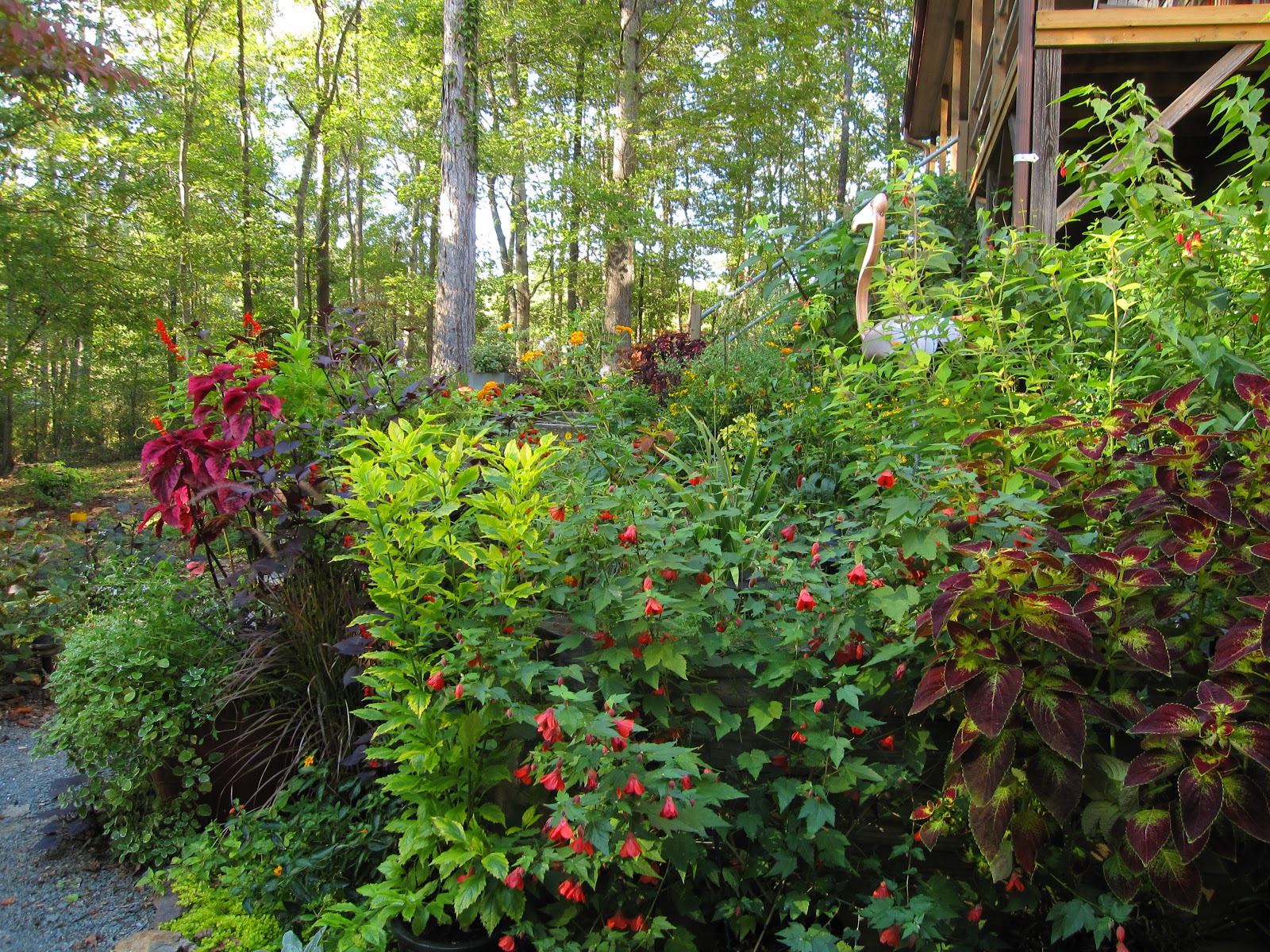
A diehard gardener, I spend at least six months a year battling disease, pestilence, and extreme weather. Gardening in the North Carolina forest--with clay soil, a robust deer population, and hot, dry summers--has given me something of a pioneer spirit. And thank God, because while birthing my debut novel,The Unfinished Garden, I discovered that publishing is not for wimps.

I have fourteen flowerbeds, all of which I started from scratch, all of which evolved over a decade—as did The Unfinished Garden. What have I learned from this experience?

Gardening 101: don’t let the bastards get you down
Deer can drive the toughest gardener to gin, but the damage isn’t permanent. Mauled plants can—and do—grow back. I rant and rave about bastard deer on Facebook, to my friends, to my family—hell, to anyone who’ll listen—but the deer don’t dictate my gardening habits. I grow what I want, where I want, and spray homemade deer recipe when I remember. Bad reviews rip out your guts, but don’t let them interfere with your work-in-progress. Mourn and move on. (Cussing and gin-drinking are mandatory.)

Gardening buddies rock
Gardening is a solitary endeavor, but road trips to nurseries are tons more fun with a carload of friends.  Being an author takes a village, and a huge part of that village consists of other writers. Support them and they will support you. (And commiserate over the bad reviews.) I couldn’t ride the emotional rollercoaster of the publishing world without my sisters- and brothers-in-arms at Book Pregnant. Find a tribe.


Yes, that mulch pile will get spread
Spreading mulch is a backbreaking, time-consuming, soul-destroying chore best done before June brings unbearable heat. But you don’t have to spread the mulch all at once. Ten yards of mulch arrived two weeks before my line edits, and that pile stares at me every day. However, by stealing the occasional hour to spread mulch, I’m slowly reducing the pile. (Although, of course, it’s now full of baby snakes and mutant spiders. YUK.) The work of a debut author can seem overwhelming and can easily distract you from the most important job of all: working on your next manuscript. But if you break the promotion down into small chunks—do a little every night—you will make progress.

There are no shortcuts
With my crap soil and my infestation of voles, planting is slow work. (Unlike deer damage, vole damage is fatal, because these cute little bastards eat the roots.) There is no such thing as bunging a plant in the ground. I have to dig out the stones, work the soil, add compost, line each hole with permatill, add mulch, water in, etc. Finding your voice as an author is slow, hard work. You might not see results immediately, and yet…

Plants grow in unexpected places
My main flowerbed is spilling beyond its bounds. Plants self-seed in the gravel and a chocolate vine has leapt from its trellis to wind around the deck railing. My promotional life as an author has been equally organic. I’ve made connections, followed my gut, and planted seeds. Some of those seeds have grown in ways I could never have imagined. For example, when I drove 25 miles to an author reading one icky January night, I wanted only to hear Anne Clinard Barnhill read from her debut, At the Mercy of the Queen. But we chatted after the event, and Anne mentioned she was part of this group called Book Pregnant. Two days later I was invited to join. (I love you, Anne!)

Natural-looking gardens are planned
You can spend an entire Sunday afternoon tying up one clematis, and not a single person notices. But as you systematically work through the bed pruning, staking, weeding, and transplanting, something magical happens, and one day even your Brooklyn-born husband says, “Wow, honey. The garden looks great.” Don’t assume your book baby will hit the shelves at number one and stay there. Debut novels quickly become yesterday’s news. In those all-important first few months, you will see a direct correlation between your Amazon rankings and your promotional push. Six months before you launch, take an evening to create a promotional plan, aka a long to-do list of reasonable goals. You don’t have to aim for Oprah, but the local media will likely love the story of a hometown success.

Established gardens can thrive on neglect
I started my main flowerbed a few years before the manuscript that would become The Unfinished Garden, and it’s still a work in progress (thanks to the voles). But in the months after my book launch, I ignored my garden completely. And everyone—including the UPS guy—remarked that the main bed had never looked better. I had huge, ongoing promotional plans for TUG, but I had to tend and fall in love with novel two, The In-Between Hour. Four months out, I cut the umbilical cord; I stopped actively promoting my first-born. But TUG didn’t die. No, I no longer enjoyed the Amazon rankings of the first two months, but that novel just kept bobbing along, quietly doing its thing. (Above: exhibit number one, last night’s book club.)

Even in severe drought, plants survive
Gardening can be heart breaking. Severe drought and watering restrictions can ruin years of hard work and make you feel it’s all so pointless. But some plants shut down not to die, but to survive. Leave them alone and they’ll come back when they’re ready. Some promotional ideas need to percolate. As with writing, time and distance can be a blessing. Because The Unfinished Garden has an unusual hook—obsessive-compulsive disorder—I wanted to do a fundraiser to benefit the International OCD Foundation, a not-for-profit group that has helped my family battle OCD. But the plans for a fundraiser fell apart. (You can only cram so much into one day.) Last month I learned that the IOCDF was going to publish an article I had submitted to their newsletter years ago. This inspired me to advertise TUG in the IOCDF annual conference brochure. I’m with MIRA, which means I have the power of Harlequin behind me. My lovely publisher produced a beautiful ad—at no cost to me—and I paid for the space. Then my IOCDF contact asked if the conference bookstore could sell The Unfinished Garden. How fabulous is that?

Plant beautiful flowers and the hummingbirds will come
Book club fiction, which is what I write, can be a slow burn. But if you have an unusual hook, if you have a story that lends itself to discussion, readers will find you. I started by emailing friends to ask if they knew of any neighborhood book clubs, and things grew from there. (Nine months out from my launch, I just visited three more local book clubs.)

Quitting is never an option
Yes, you can have a grand plan for an award-winning garden, but so much of gardening is beyond your control. A true gardener is a master of resilience. A true gardener never gives up, never surrenders. A true gardener knows that despite the plague of white fly, despite the fifth day of 100 degrees, despite the large tree limb that flattened the mature hydrangea, there is no quitting.

As British horticulturalist Gertrude Jekyll said, “The love of gardening is a seed that once sown never dies.” Does that sound familiar, my writer friends?

______________________________________________________________________

Barbara Claypole White is the author of The Unfinished Garden  a love story about grief, OCD, and dirt (Harlequin MIRA, August 2012)

*Finalist, 2013 Golden Quill Contest, best first book

*Finalist, 2013 Write Touch Readers' Award Contest, mainstream with romantic elements

*Finalist, 2013 New England Readers' Choice Beanpot Award, mainstream with romantic elements